Lab Furniture Maintenance Tips: Extend Lifespan and Reduce Costs
Table of Contents
Lab Furniture Maintenance Tips: Extend Lifespan and Reduce Costs refers to daily care and long-term upkeep practices—such as proper cleaning, immediate spill response, hardware inspections, spot repairs, refinishing, and component replacement—that preserve classroom lab furniture performance, reduce premature wear, minimize costly replacements, and maximize total lifecycle value for school facilities and asset management teams.
Daily Cleaning & Chemical Safety Practices
Clean Surfaces the Right Way
Daily cleaning is the first defense against finish breakdown. Harsh chemicals and rough scrubbing cause more damage than most lab activities themselves. Classroom-grade countertops and cabinetry should be wiped with mild, non-abrasive cleaners using soft cloths or microfiber pads. Avoid steel wool, scouring pads, or powdered detergents, which scratch sealed surfaces and expose underlying materials to moisture and stains. Many maintenance guidelines referenced on the CampbellRhea blog emphasize that gentle, consistent care extends surface life far more than aggressive “deep clean” routines.
Respond Immediately to Chemical Spills
Even classroom-level chemicals can stain or dull finishes if allowed to sit. Spills should be neutralized and wiped immediately—especially acids, alcohols, and cleaning solvents. Waiting until the end of class to address minor spills allows chemical residue to penetrate protective coatings, accelerating wear. Keeping absorbent wipes and neutralizing agents near workstations prevents damage before it starts. Schools choosing high-performance finishes often review material properties listed within the CampbellRhea product catalog to ensure surfaces are appropriate for classroom chemical exposure.
Avoid Abrasive Tools & Improper Cleaning Products
Abrasive pads, rough brushes, and unapproved cleaners are among the most common causes of premature failure in lab furniture finishes. These tools remove protective coatings, which leads to:
- Increased surface staining
- Moisture absorption
- Reduced chemical resistance
- Expensive refinishing needs
Systems such as CampbellRhea Educational Wood Casework are built with repairable finishes designed to withstand routine cleaning—but not abuse from improper tools.
Store Chemicals to Protect Furniture
Chemical storage plays a major role in furniture longevity. Bottles left on countertops overnight or stored above cabinets allow drips or vapor buildup to damage finishes over time. Proper use of vented chemical storage cabinets and secondary containment trays prevents surface contact and reduces cleanup exposure.
Completed classroom installations demonstrating proper storage integration can be reviewed in the CampbellRhea project portfolio for layout best practices.
Create Daily Habits That Prevent Repairs
Small habits eliminate large repair bills:
- Wipe surfaces after every lab session
- Neutralize spills immediately
- Use only approved cleaners
- Keep chemicals off countertops when not in use
Facilities teams often work with regional experts located through the CampbellRhea dealer locator or coordinate directly with CampbellRhea to establish ongoing maintenance programs that protect classroom investments day after day.
Preventing Wear & Damage in High-Traffic Classrooms
Understand How Daily Student Traffic Causes Wear
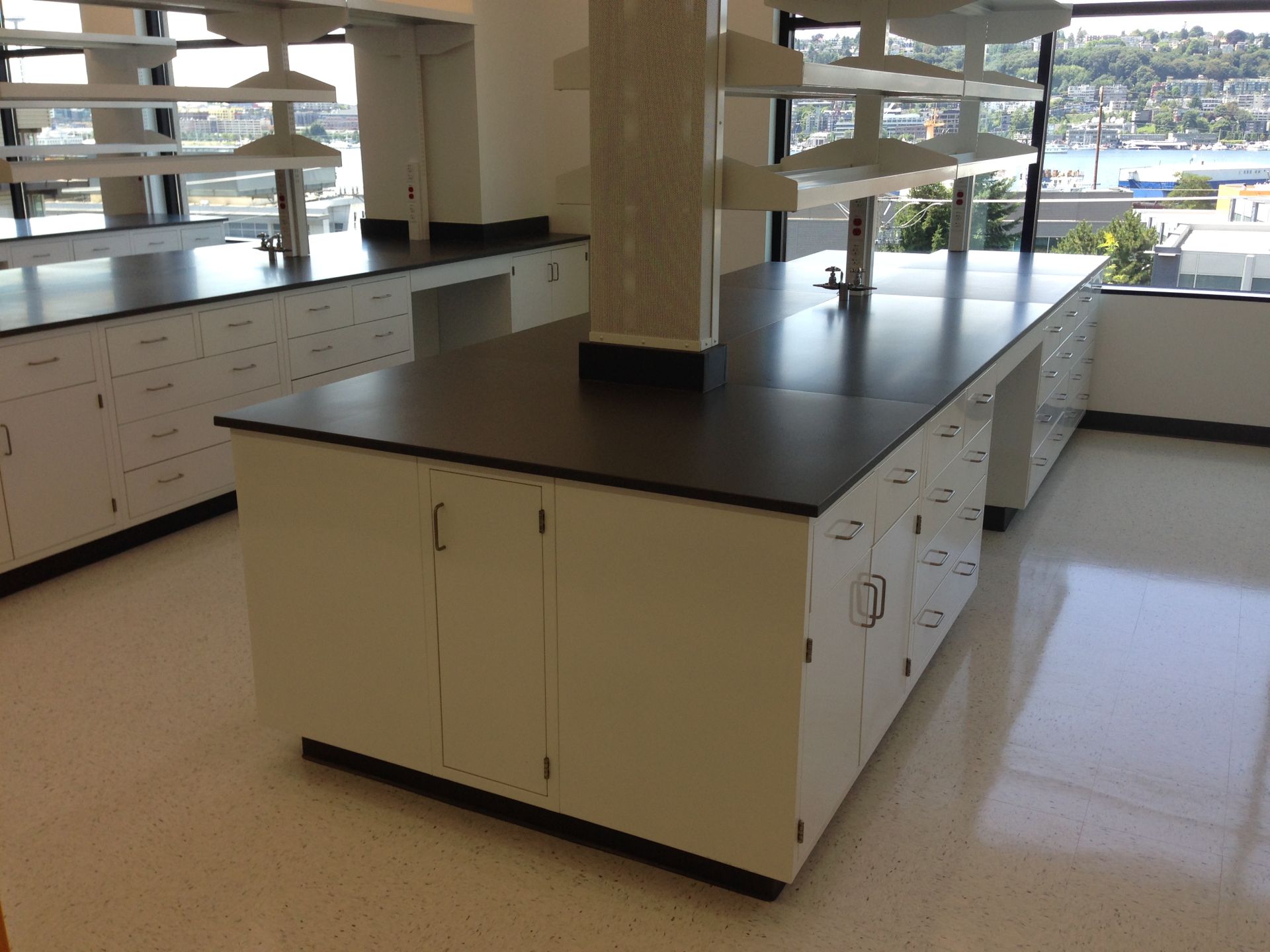
Science classrooms experience constant movement—students shifting stools, opening drawers, pulling carts, and leaning on work surfaces dozens of times per period. This repetitive contact places strain on cabinet frames, drawer tracks, hinges, countertops, and seating hardware. Over time, unchecked wear leads to loosening joints, misaligned drawers, surface chips, and structural sagging. Facilities managers often review preventative strategies outlined on the CampbellRhea maintenance blog to establish routines that stop deterioration early.
Avoid Cabinet & Drawer Overloading
Cabinet shelving and drawer slides are designed for distributed weight—not concentrated loads. Overfilling drawers with glassware or stacking equipment on single shelves creates uneven stress that leads to track failure and cabinet racking.
Protection tips include:
- Distributing supplies across multiple storage zones
- Using shelf liners to prevent item shifting
- Following weight limits specified by furniture manufacturers
System specifications and capacity guidelines can be reviewed within the CampbellRhea product collections to ensure proper storage practices align with furniture design limits.
Use Protective Mats & Trays During Experiments
Portable mats and chemical trays reduce countertop abrasion while containing spills or heat exposure. These simple preventative accessories protect sealed surfaces from repeated tool impacts and solvent contact.
Casework solutions such as CampbellRhea Educational Wood Systems are engineered for durability but benefit even more when paired with surface protection during high-use projects.
Train Students in Safe Equipment Handling
Student behavior significantly impacts furniture lifespan. Teaching proper handling habits prevents accidental damage:
- Lift stools instead of dragging them
- Close drawers gently—not slammed shut
- Return equipment to storage rather than piling items on countertops
- Park carts at designated docking areas
Completed labs demonstrated in the CampbellRhea classroom portfolio show how disciplined use helps preserve high-traffic furniture over many school years.
Perform Routine Hardware Inspections
Loose screws and bolts lead to premature failures if ignored. Monthly checks of hinges, drawer slides, stool fasteners, and caster locks prevent small weaknesses from becoming structural damage.
Manage Rolling Cart Traffic
Carts and mobile workstations are essential in modern classrooms but can cause cabinet impacts and corner damage if unmanaged. Establishing wide pathways and docking zones prevents accidental collisions, protecting fixed furniture and equipment.
Facilities teams seeking guidance on traffic planning and furniture durability standards often consult local specialists via the CampbellRhea dealer locator or coordinate directly with CampbellRhea to implement sustainable classroom maintenance strategies that minimize replacement cycles.
Extending Furniture Life Through Repair & Refinishing
Choose Repairable Materials from the Start
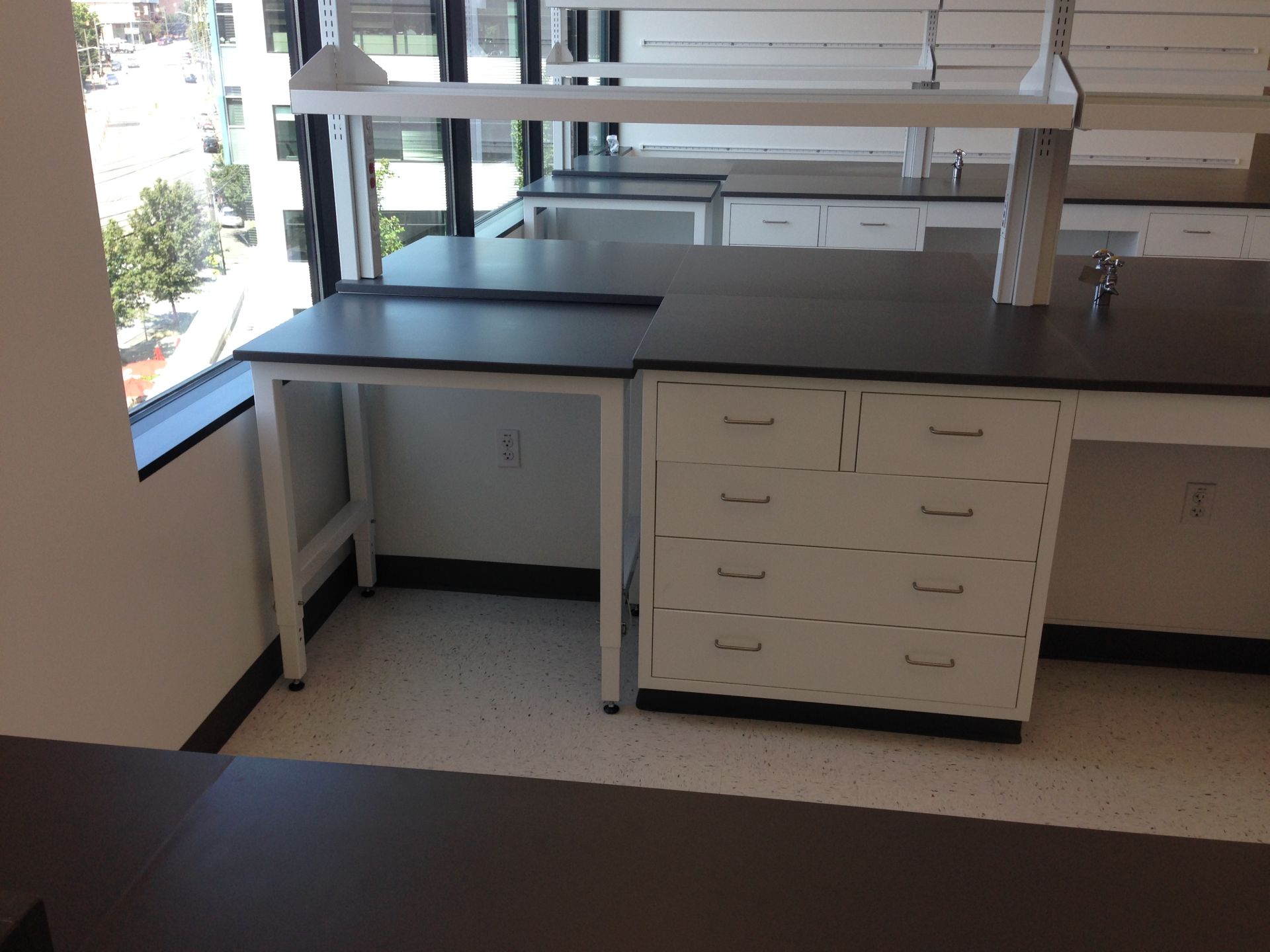
The greatest long-term maintenance savings come from using materials designed to be repaired—not replaced. Sealed wood surfaces and reinforced cabinet systems tolerate refinishing, part replacement, and surface restoration without removing entire furniture installations. Unlike disposable laminate or low-duty systems, education-grade casework extends usable life for decades when paired with simple upkeep. Lifecycle planning guidance shared on the CampbellRhea blog frequently highlights this distinction as one of the biggest cost-saving decisions schools can make.
Establish Simple Refinishing Schedules
Minor surface wear accumulates slowly but predictably. Rather than waiting for visible damage, facility teams should apply light resealing and touch-up finishes on a routine schedule.
Recommended practices include:
- Annual surface inspection
- Light refinishing or resealing every 3–5 years in high-use areas
- Spot coating around sinks and chemical stations
Product finish compatibility and maintenance methods are outlined within the CampbellRhea product systems to ensure schools follow best-practice restoration guidelines.
Perform Spot Repairs Before Damage Spreads
Scratches, chips, or worn edges should be repaired immediately to prevent moisture absorption or chemical penetration.
Common restoration actions:
- Fill and seal surface gouges
- Sand and refinish high-wear countertop zones
- Replace worn edge banding
Systems such as CampbellRhea Educational Wood Casework are engineered to support spot repairs without structural compromise.
Replace Components Instead of Workstations
Large replacement projects often start with a single neglected part. Durable furniture systems allow individual component swaps that cost a fraction of full replacements.
Cost-saving component replacements include:
- Drawer track repairs
- Hinge upgrades
- Shelf pin and bracket replacements
- Stool caster and base swaps
Classrooms demonstrating multi-decade furniture longevity using these strategies appear throughout the CampbellRhea project portfolio.
Avoid Full Replacement Cycles Through Refurbishment
Selective refurbishment keeps classrooms operating safely while avoiding six-figure replacement projects. By rotating refinishing schedules and performing component repairs annually, districts can keep furniture serviceable across entire enrollment generations.
Partner Support for Long-Term Maintenance
Executing a refurbishment strategy works best with supplier support. Schools access maintenance planning resources and replacement components through regional experts located via the CampbellRhea dealer locator or partner directly with CampbellRhea to maintain optimal furniture performance year after year.
Why CampbellRhea Furniture Lowers Lifetime Ownership Costs
Built for Repair, Not Replacement
CampbellRhea furniture is engineered specifically for education environments where durability and maintainability matter more than short-term savings. Their classroom systems use reinforced cabinet construction and surface treatments designed to tolerate refinishing, repairs, and component replacement without compromising structural integrity. Facilities teams exploring long-term maintenance strategies often connect with insights shared on the CampbellRhea blog to understand how properly specified furniture avoids high-cost replacement cycles.
U.S.-Made Wood Casework Engineered for Longevity
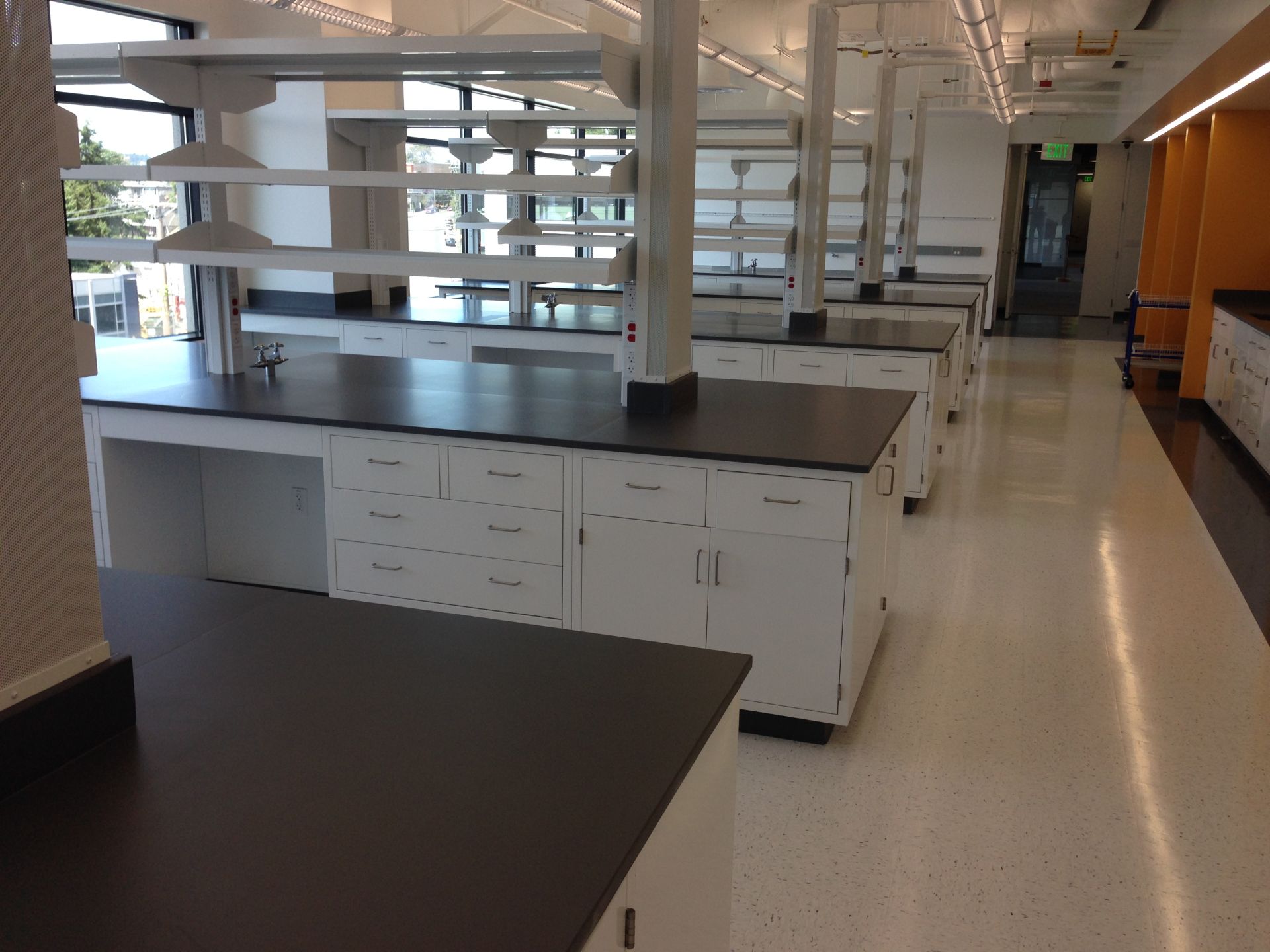
CampbellRhea manufactures their furniture in the U.S., maintaining strict control over material quality and construction standards. Their casework systems utilize heavy-duty framing, doweled cabinetry joints, and repairable coated finishes that allow refinishing rather than full removal.
Key performance features include:
- Chemical-resistant finishes that withstand classroom use
- Reinforced cabinet structures preventing sag or separation
- Replaceable drawer slides and hinges
- Refinishable wood countertop surfaces
These education-specific furniture solutions are detailed across the CampbellRhea product collections and their dedicated Educational Wood Casework systems.
Modular Components for Easy Refurbishment
Unlike disposable fixed furniture systems, CampbellRhea’s modular construction allows components to be repaired or swapped independently:
- Drawer tracks replaced without removing cabinets
- Hinges upgraded as wear develops
- Shelving systems repositioned or replaced
- Mobile workstation elements exchanged individually
Classroom installations that demonstrate long-term refurbishment success across multiple renovation cycles appear throughout the CampbellRhea classroom project portfolio.
Long-Term Client Support Programs
CampbellRhea supports schools well beyond installation by providing:
- Access to original design documentation for future refurbishments
- Maintenance guidelines tailored to classroom materials
- Compatible replacement parts systems
- Availability of certified local technicians for updates and repairs
Districts coordinate this support through the CampbellRhea dealer locator or engage directly with CampbellRhea to maintain consistent service coverage over decades.
Designed for Cost Efficiency Across Decades
Rather than designing furniture that must be replaced every curriculum cycle, CampbellRhea creates laboratories intended to perform long after installation day. With repairable materials, modular components, and built-in refurbishment pathways, classrooms remain functional and visually refreshed without large capital reinvestments—allowing schools to maximize total ownership value rather than repeating full-scale remodels.
Related searches
Lab furniture maintenance tips
How to extend lab furniture lifespan
Reduce school lab furniture costs
Cleaning chemical-resistant lab surfaces
CampbellRhea lab furniture care