Designing Flexible STEM Classrooms
Table of Contents
Designing Flexible STEM Classrooms means creating adaptable learning spaces using modular furniture, mobile workstations, accessible layouts, and integrated utilities to support hands-on science, technology, engineering, and math instruction while allowing quick transitions between lecture, collaboration, experimentation, and maker activities—maximizing safety, space efficiency, and long-term classroom value.
Designing Flexible STEM Classrooms
Why Flexibility Is Essential for Modern STEM Learning
STEM Learning Has Outgrown Fixed Classrooms
STEM education today looks nothing like the traditional row-and-lecture model. Students build robots, prototype inventions, code software, analyze data, and work in rotating teams—all within a single class period. Fixed lab layouts built around immovable benches and single-purpose workstations can’t keep up with these demands. Classrooms now need furniture and layouts that evolve alongside hands-on instruction instead of restricting it. District planners exploring new learning models often turn to insights shared on the CampbellRhea design blog to see how flexible spaces enhance modern instruction.
Supporting Robotics, Coding & Maker Projects
STEM classrooms must support diverse activities happening simultaneously. A robotics lesson might require open floor space for building assemblies, while a coding segment demands seated collaboration with power and data access. Maker projects introduce craft tools, electronics, and material storage needs—all different from traditional science lab setups.
Flexible spaces provide zones that can transform quickly:
- Lecture mode for direct instruction
- Lab clusters for small-group experimentation
- Open build areas for robotics or engineering projects
- Collaboration pods for problem-solving teams
Furniture solutions within the CampbellRhea classroom product collections demonstrate how multi-use environments remain functional across teaching formats.
Avoiding Workflow Bottlenecks
In rigid classroom designs, students crowd supply areas, sink stations, and output equipment during transitions between activities. This slows lessons and increases safety risks. Flexible STEM layouts spread resources throughout the room, allowing simultaneous access without congestion.
Classrooms designed with modular flow patterns, like those showcased across the CampbellRhea project portfolio, show how distributed workstations promote smoother movement and improved instructor supervision.
Creating Spaces That Pivot Safely
The hallmark of a successful STEM classroom is its ability to pivot—quickly and safely—between instructional formats. Furniture must be stable yet moveable, utilities accessible yet protected, and storage integrated yet unobtrusive. ADA-accessible stations must be part of every configuration, not set aside as afterthoughts.
Many schools build flexibility into room planning using systems such as CampbellRhea Educational Wood Casework, which supports changing layouts without sacrificing structural reliability or safety standards.
Planning for the Next Curriculum Shift
STEM programs evolve every few years. Classrooms locked into static layouts become obsolete quickly, forcing costly renovations. Flexible design protects investments by extending room life through multiple program cycles.
Education leaders seeking adaptable planning guidance commonly work with regional specialists via the CampbellRhea dealer locator or collaborate directly with CampbellRhea to develop classrooms capable of adjusting to whatever teaching innovations come next.
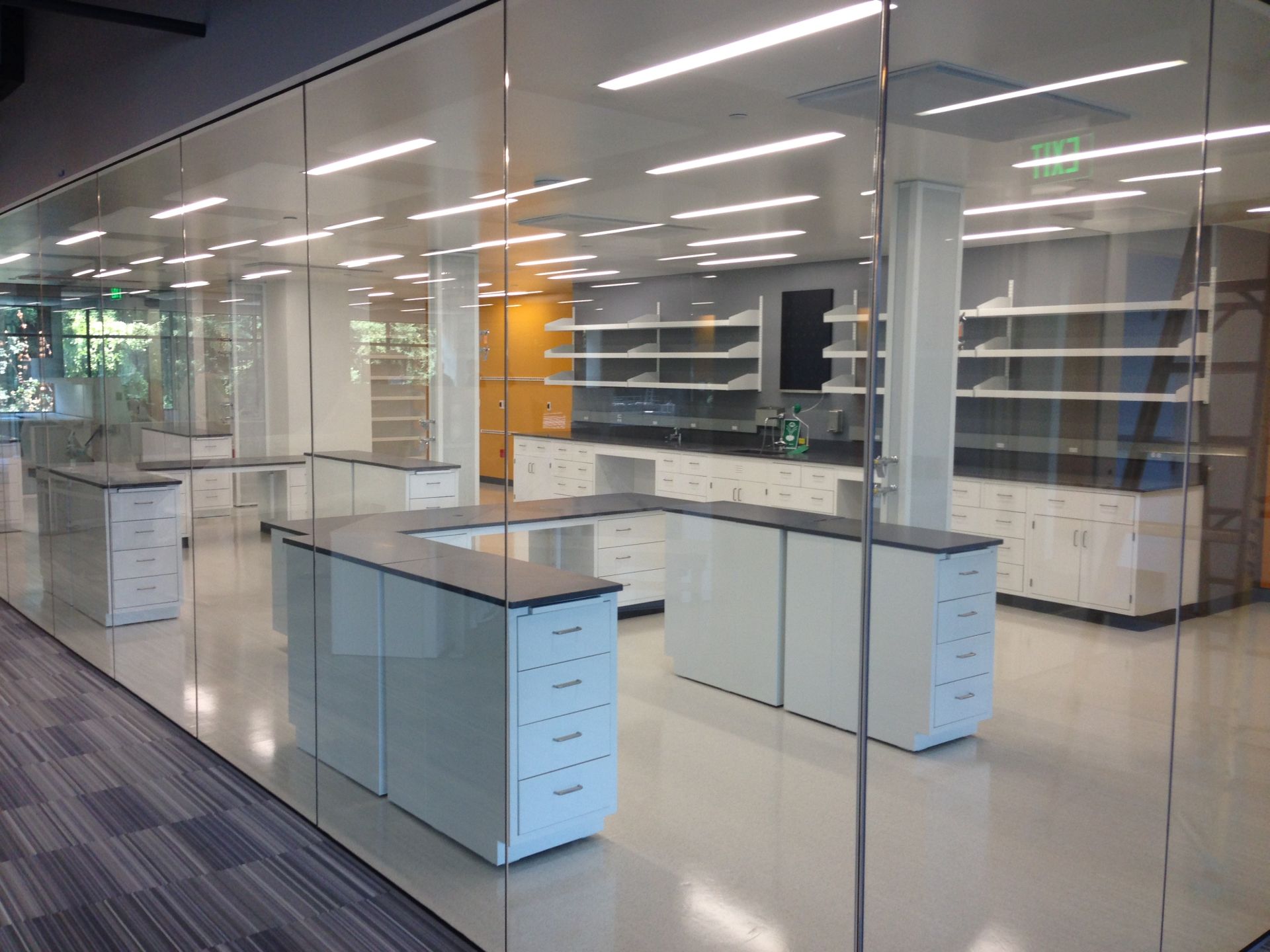
Core Design Elements for Flexible STEM Classrooms
Modular Benches & Reconfigurable Tables
The foundation of any flexible STEM classroom is modular furniture that adapts quickly to new lesson formats. Benches and tables designed to separate, connect, or rotate allow instructors to shift from lecture rows to group clusters without heavy lifting or permanent layouts. These systems keep classrooms agile as projects shift between science experiments, engineering builds, and team design work. Many adaptable furniture solutions can be found in the CampbellRhea product collections, where teaching environments guide material selection and structural design.
Mobile Workstations & Rolling Carts
Mobile workstations bring equipment directly to students instead of forcing large groups to crowd centralized prep areas. Rolling lab carts distribute tools for robotics builds, electronics testing, or collaborative projects safely and efficiently.
Benefits include:
- Reduced workflow bottlenecks
- Safer supply movement
- Faster setup and teardown between lessons
- Increased student collaboration
Real classroom installations using mobile furniture can be explored in the CampbellRhea project portfolio, showcasing how transportation of tools supports fluid learning.
Adjustable-Height & ADA-Accessible Stations
Inclusion is a critical design element—not an afterthought. Adjustable-height tables and open-access workstations provide safe participation for students of all physical abilities.
Accessible design features include:
- Wheelchair clearance beneath work surfaces
- Adjustable tabletop heights for multiple learning modes
- Clear aisle spacing for navigation
Classrooms often integrate these features through adaptable systems such as CampbellRhea Educational Wood Casework built to accommodate evolving accommodation requirements.
Integrated Utilities Without Layout Lock-In
Flexible learning demands access to essential utilities without tying furniture to fixed positions. Power, data, gas, and water placement must serve multiple learning zones while remaining protected.
Integrated utility strategies include:
- Drop-down ceiling service panels
- Wall-mounted distribution rails
- Quick-connect floor utility boxes
These solutions allow classrooms to change layouts without sacrificing safety or compliance—a recurring design principle discussed on the CampbellRhea design blog.
Open Floor Planning for Multi-Zone Learning
Rather than a single task room, modern STEM classrooms function as multi-zone environments, hosting:
- Lecture and instruction areas
- Small-group collaboration hubs
- Robotics and maker build spaces
- Experimentation stations
- Presentation and demonstration platforms
Open planning supported by modular furniture enables these zones to shift without permanent walls or structural changes.
Flexibility with Professional Support
Effective adaptability requires expert planning. Schools frequently engage regional specialists via the CampbellRhea dealer locator or coordinate directly with CampbellRhea to align furniture layouts, safety compliance, and long-term educational objectives—ensuring flexible design doesn’t compromise classroom safety or regulatory standards.
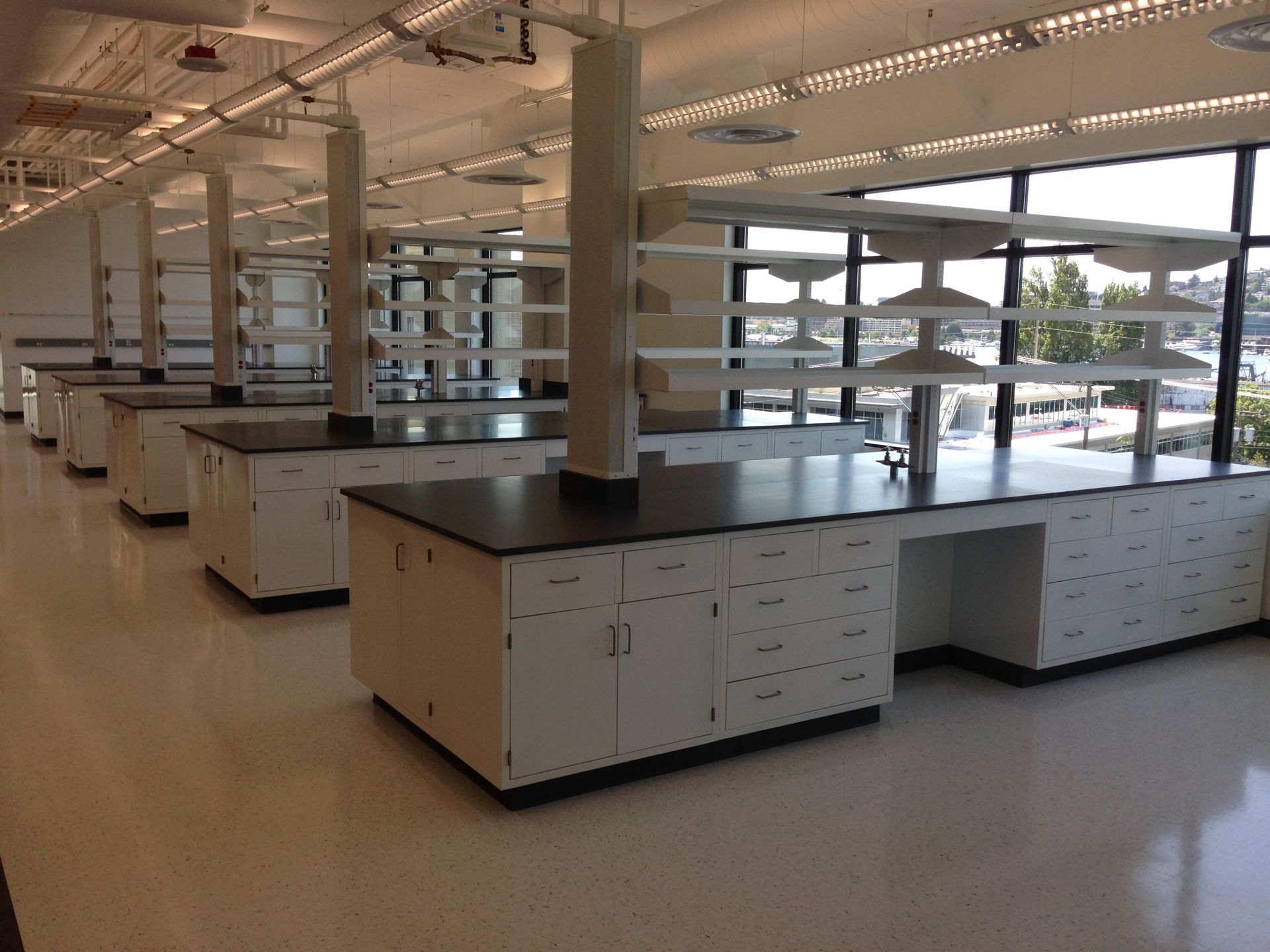
How Flexible Furniture Supports Long-Term Value
Keeping Classrooms Relevant as Curriculum Evolves
STEM programs shift constantly as new technologies, disciplines, and teaching methods emerge. Furniture that can be rearranged, repurposed, or expanded keeps classrooms functional long after original lesson plans become outdated. Modular benches and mobile stations allow spaces to adapt to robotics today, computer science tomorrow, and engineering builds next year—without requiring room redesigns. Schools researching future-focused space planning ideas often explore insights posted on the CampbellRhea design blog.
Reducing Renovation & Replacement Expenses
Fixed furniture locks classrooms into single-use layouts. When programs change, districts face costly demolition, construction, and furniture replacement cycles. Flexible classroom systems avoid these disruptions by enabling reconfiguration rather than reconstruction.
Financial advantages include:
- Fewer full-room renovations
- Minimal need for replacement furniture
- Reduced downtime between academic programs
Facility teams evaluating long-term space adaptability frequently review modular options through the CampbellRhea product catalog to compare furniture built for evolution rather than replacement.
Maximizing Space Across Disciplines
One classroom no longer serves a single subject. Modern learning spaces often host:
- Biology labs
- Engineering design workshops
- Coding and electronics instruction
- Art-infused maker classes
Flexible layouts allow one room to serve multiple departments without duplicating expensive lab infrastructure. Real-world examples of multifunctional classrooms can be found in the CampbellRhea portfolio gallery, showing space efficiency at work across school campuses.
Lowering Maintenance Through Repairable Materials
Furniture durability plays a major role in lifecycle cost control. Classroom-grade materials with reinforced frames and repairable finishes extend service life dramatically. Wood systems, in particular, allow refinishing rather than replacement—correcting wear from years of student use at a fraction of the cost of new installations.
Many adaptive furniture systems incorporate CampbellRhea Educational Wood Casework to support easy maintenance while maintaining safety and appearance standards.
Viewing Flexibility as a Financial Strategy
Flexibility goes beyond instructional benefits—it protects capital investment. By reducing renovation cycles, increasing room utilization, and lowering maintenance budgets, adaptable furniture systems deliver measurable lifecycle value to districts and asset managers. Facilities leaders seeking financial planning support frequently connect with regional design partners via the CampbellRhea dealer locator or work directly with CampbellRhea to design classrooms that earn continued returns year after year.
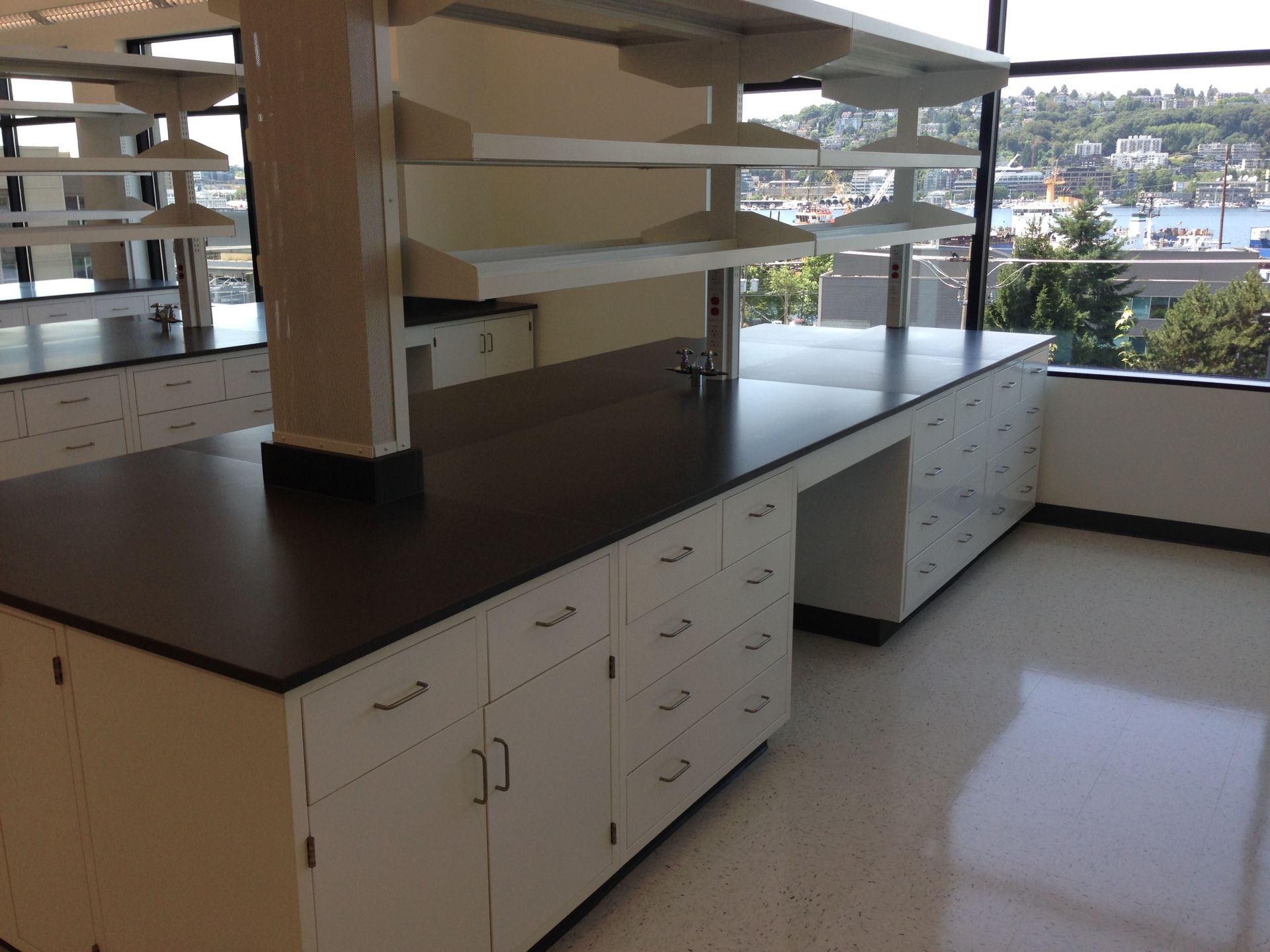
Why CampbellRhea Is the Ideal STEM Design Partner
Over 70 Years of Education-Focused Leadership
CampbellRhea has dedicated more than seven decades to designing laboratories specifically for schools—not adapting industrial products for classroom use. Their expertise centers on how students move, collaborate, and experiment in learning environments. Administrators and planners researching education-based lab design strategies often explore guidance featured on the CampbellRhea blog to better understand classroom functionality and safety planning.
U.S.-Made Modular Systems Built for STEM Adaptability
CampbellRhea manufactures classroom furniture in the U.S., maintaining strict quality control and SEFA-compliant engineering standards. Their modular bench systems and reinforced casework are designed to support reconfiguration without compromising structural stability.
Key system capabilities include:
- Mobile and modular benches that lock securely in shifting layouts
- Chemical-resistant work surfaces suited for daily classroom chemistry and cleaning requirements
- Rolling workstation platforms for maker programs and robotics builds
Product options supporting adaptable classrooms are showcased throughout CampbellRhea’s classroom furniture collections.
Specialized Educational Wood Casework
One of the hallmarks of CampbellRhea’s classroom expertise is its Educational Wood Casework systems. These furniture lines combine chemical-resistant finishes, repairable surfaces, and reinforced cabinetry engineered for repeated student use. Unlike disposable classroom furniture, these systems are designed to remain serviceable for decades – maintaining appearance, safety, and function even as room configurations evolve.
Professional Planning with AutoCAD & BIM
CampbellRhea supports schools through advanced space-planning services using AutoCAD and BIM tools, allowing classrooms to be fully modeled before installation. This approach ensures:
- Accurate utility placement
- Optimal workstation spacing
- Clear safety egress paths
- ADA compliance coordination
- Clash-free furniture integration
Many fully planned classroom installations resulting from this workflow are documented within the CampbellRhea project portfolio.
True End-to-End Delivery
CampbellRhea provides a complete design-to-installation experience:
- Layout consultation
- Product specification and furniture selection
- Engineering coordination
- U.S.-based manufacturing
- Local delivery and installation through certified partners
Schools connect with regional specialists for on-site support via the CampbellRhea dealer locator or engage directly with CampbellRhea during early planning stages.
STEM Classrooms Built for the Future
By uniting decades of classroom experience, modular system engineering, chemical-resistant materials, and professional design services, CampbellRhea creates safe, adaptable, future-ready STEM classrooms tailored to evolving educational performance—never forcing schools into rigid, industrial lab layouts that limit instructional growth.
Related searches
Designing flexible STEM classrooms
STEM lab furniture for schools
Modular science classroom design
CampbellRhea STEM classroom casework